-
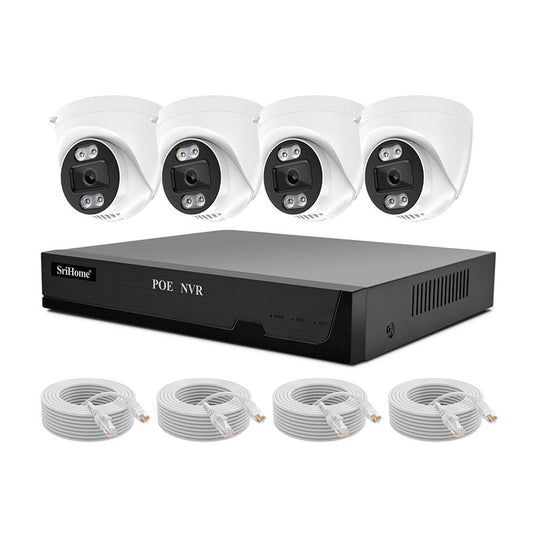
NVS005-POE030B (4x Camera 3MP)
Regular price RM699.00 MYRRegular priceUnit price perRM2,099.00 MYRSale price RM699.00 MYRSale -
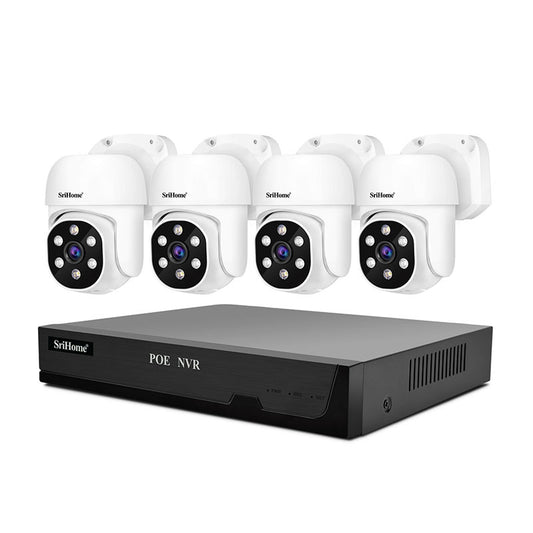
NVS005-POE030 (4x Camera 3MP)
Regular price RM799.00 MYRRegular priceUnit price perRM2,099.00 MYRSale price RM799.00 MYRSale
FAQ
What is a PoE camera and how does it work?
A PoE (Power over Ethernet) camera is a surveillance camera that receives both power and data through a single Ethernet cable. This makes installation much simpler since you don’t need extra power adapters or outlets. PoE cameras are commonly used in homes, offices, and businesses for reliable video monitoring.
Can PoE cameras work without internet?
Yes, PoE cameras can operate without internet access because they transmit video through the local network. However, remote viewing and cloud storage features won’t be available without internet. You can still record footage to a local NVR (Network Video Recorder) or computer.
Is a PoE camera better than a WiFi camera?
PoE cameras generally provide more stable and reliable connections than WiFi cameras because they use wired Ethernet. They are less prone to interference and offer consistent video quality. WiFi cameras are easier to install but may experience lag or connection drops in areas with weak signals.
Do PoE cameras support HD or 4K video recording?
Most modern PoE cameras support high-definition video, with some offering 1080p, 2K, or even 4K resolution. However, choosing a higher-resolution camera may require more storage and network bandwidth.
How secure are PoE cameras against hacking or network breaches?
PoE cameras are generally secure when connected to a properly configured network, as they rely on wired connections rather than public WiFi. You can improve security by using strong passwords, keeping the firmware updated, and having a secure network. Like any connected device, they can still be at risk if proper security measures are not followed.
Can PoE cameras be used both indoors and outdoors?
Yes, PoE cameras can be installed both indoors and outdoors, depending on the model. Outdoor cameras are built to resist weather conditions like rain, heat, and dust, while indoor cameras focus on coverage.